
Draw Both The Organic And Inorganic Intermediate Species
Draw Both The Organic And Inorganic Intermediate Species - Include nonbonding electrons and charges, where. Include nonbonding electrons and charges, where applicable. The organic compound and inorganic intermediate. 2) draw both the organic and inorganic intermediate species. 2) draw both the organic and inorganic intermediate species. Web chemistry questions and answers.
Include nonbonding electrons and charges, where. No one rated this answer yet — why not be the first? Web complete the steps in the mechanism to produce the product shown. Hbr br 1) add curved arrows for the first step. Web chemistry questions and answers.

Solved Consider the reaction.
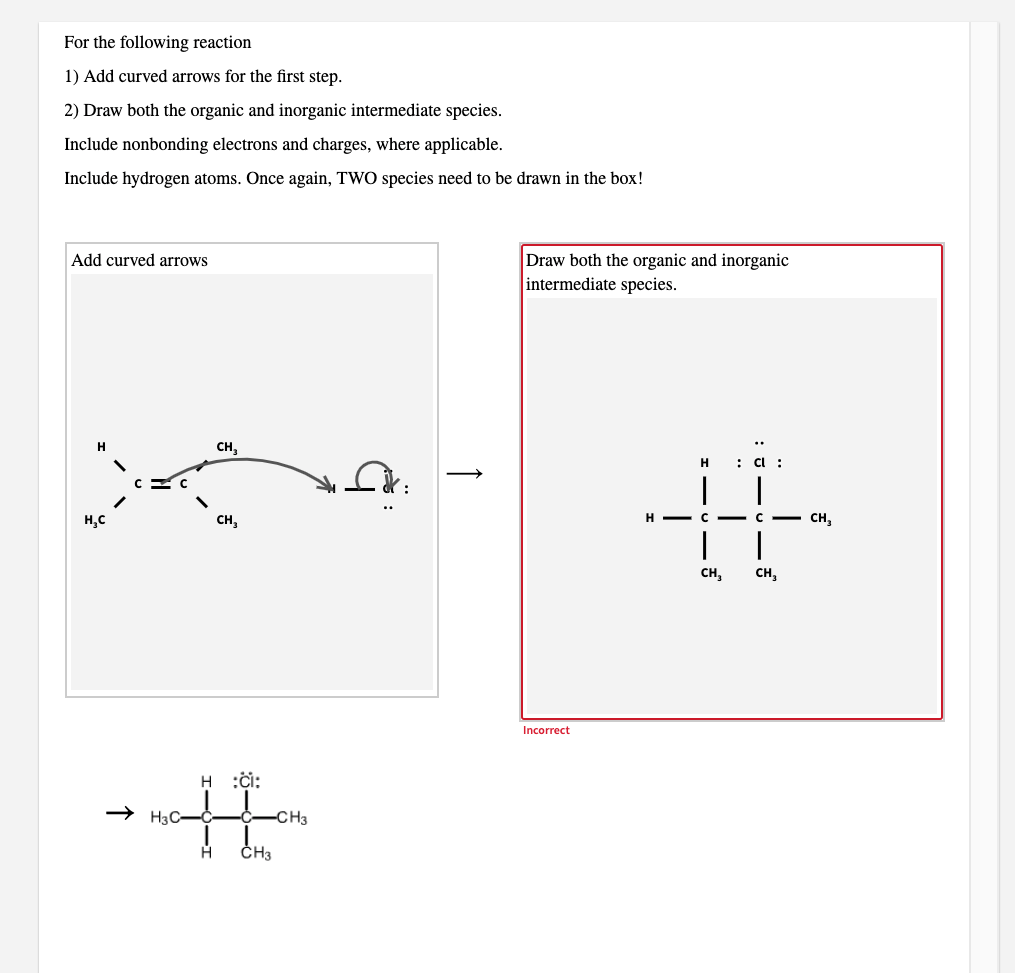
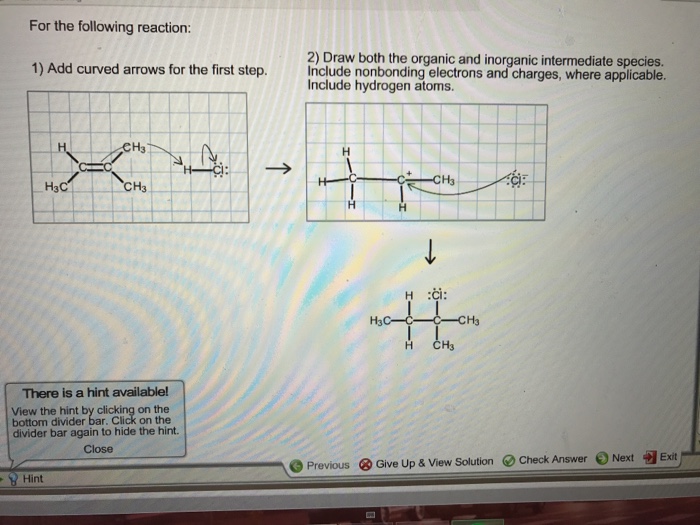
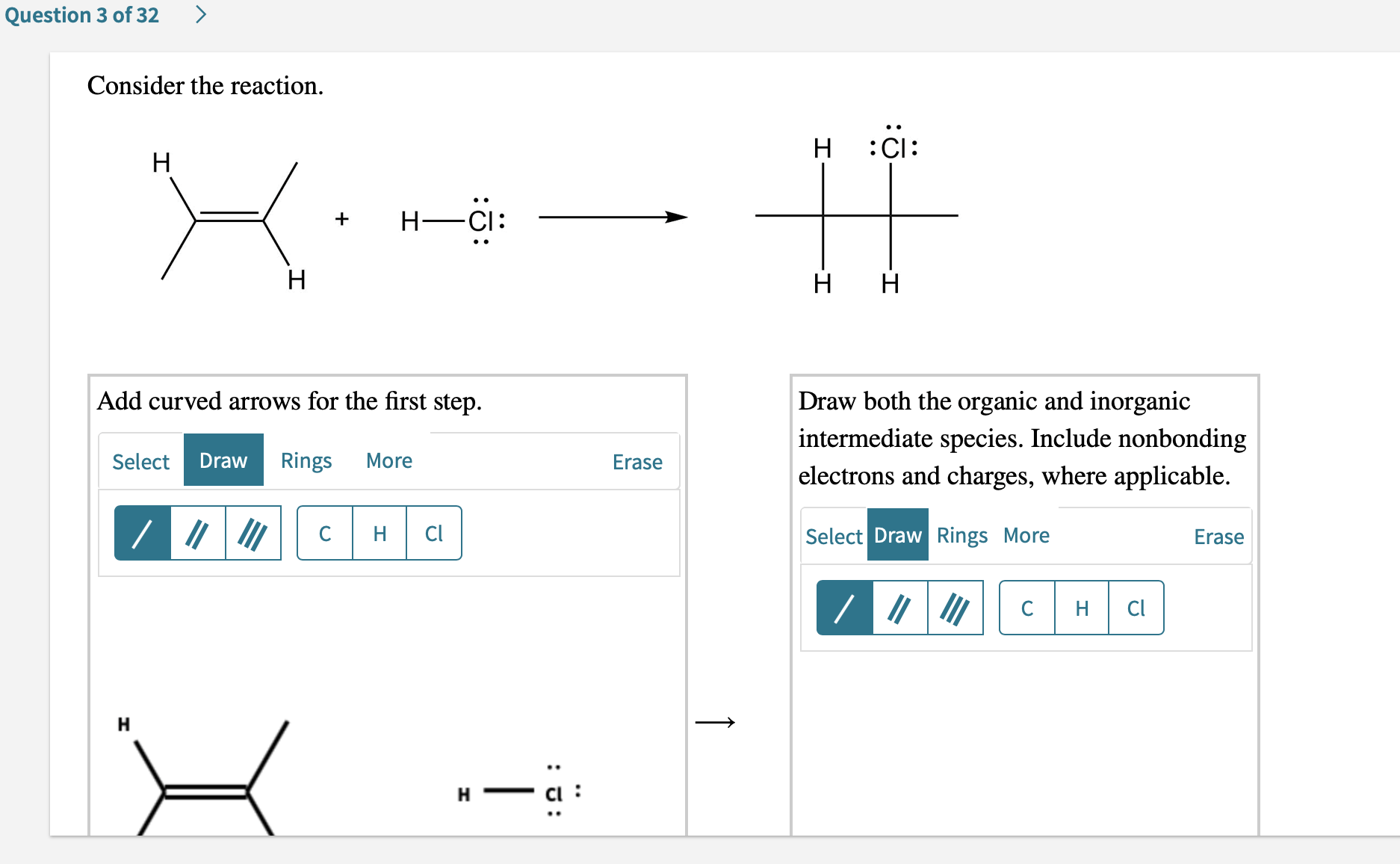
No one rated this answer yet — why not be the first? Add curved arrows for the first step. Web chemistry questions and answers. Draw both the organic and inorganic intermediate species. 1) add curved arrows for the first step.
Solved For the following reaction 1) Add curved arrows for
The organic compound and inorganic intermediate. Web chemistry questions and answers. Web both the organic and inorganic intermediate species. The atom's negatively charged particles. Include nonbonding electrons and charges, where applicable.

Consider the reaction. H ci H CH3 + HCI H3C—C
Include nonbonding electrons and charges, where. Web chemistry questions and answers. When generated in a chemical reaction, it will quickly convert. Web complete the steps in the mechanism to produce the product shown. The atom's negatively charged particles.
Solved For The Following Reaction 1) Add Curved Arrows F...
No one rated this answer yet — why not be the first? Web complete the steps in the mechanism to produce the product shown. Add curved arrows for the first step. Web both the organic and inorganic intermediate species. 2) draw both the organic and inorganic intermediate species.
Solved Question 3 of 32 > Consider the reaction. H C1 H Н.
1) add curved arrows for the first step. No one rated this answer yet — why not be the first? Carbon double bond, carbon c, h, 3 c, h, 3 h, plus h, c, l, n g s, and 3 s 3 positive charge c, h, plus chlorine, were the organic and inorganic intermediate. Draw both the organic and inorganic.
Draw Both The Organic And Inorganic Intermediate Species - Draw both the organic and inorganic intermediate species. Select draw rings more erase 2) draw both the organic and. Web both the organic and inorganic intermediate species. It h hh add curved arrows for the first step. 1) add curved arrows for the first step. Include nonbonding electrons and charges, where applicable.
2) draw both the organic and inorganic intermediate species. The atom's negatively charged particles. The organic compound and inorganic intermediate. Draw both the organic and inorganic intermediate. Add curved arrows for the first step.
Draw Both The Organic And Inorganic Intermediate.
The atom's negatively charged particles. Carbon double bond, carbon c, h, 3 c, h, 3 h, plus h, c, l, n g s, and 3 s 3 positive charge c, h, plus chlorine, were the organic and inorganic intermediate. The organic compound and inorganic intermediate. 2) draw both the organic and inorganic intermediate species.
Web Complete The Steps In The Mechanism To Produce The Product Shown.
Include nonbonding electrons and charges, where applicable. Draw both the organic and inorganic intermediate species. Web both the organic and inorganic intermediate species. It h hh add curved arrows for the first step.
Include Nonbonding Electrons And Charges, Where.
Add curved arrows for the first step. No one rated this answer yet — why not be the first? When generated in a chemical reaction, it will quickly convert. Hbr br 1) add curved arrows for the first step.
1) Add Curved Arrows For The First Step.
Select draw rings more erase 2) draw both the organic and. Include nonbonding electrons and charges, where applicable. No one rated this answer yet — why not be the first? Web chemistry questions and answers.