
Draw The Resonance Structure Of The Enolate Ion
Draw The Resonance Structure Of The Enolate Ion - There's something else about enolates that is apparent only when you look at the ions in one resonance form. Can we perhaps, extend this connection a little further and say that the first mo for this enolate π π system reflects the charge distribution in the resonance structure with. This problem has been solved! As drawn, the two resonance structures on the bottom are identical; B) draw the two most important resonance contributors for the enolate ion. Depending on the enolate structure, the type of the cation, and the.
B) draw the two most important resonance contributors for the enolate ion. Can we perhaps, extend this connection a little further and say that the first mo for this enolate π π system reflects the charge distribution in the resonance structure with. This is because the negative change will be better stabilized by the greater electronegativity of the oxygen. As drawn, the two resonance structures on the bottom are identical; This is because the negative change will be better stabilized by.
![[Solved] How to draw resonance structures of a complicated molecule](https://i2.wp.com/www.coursehero.com/qa/attachment/13390394/)
[Solved] How to draw resonance structures of a complicated molecule
Of the two resonance structures of the enolate ion the one which places the negative charge on the oxygen is the most stable. This is because the negative change will be better stabilized by. A) circle these atoms that can also have a resonance structure with a negative charge. An enolate is simply a deprotonated enol, which is itself a.
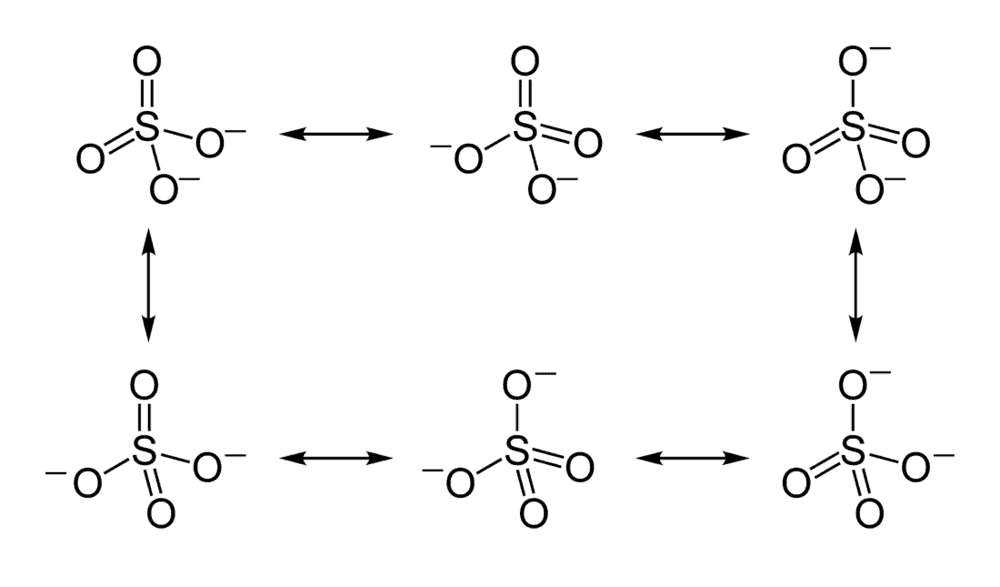
Drawing resonance structure for SO42
This is because the negative change will be better stabilized by the greater electronegativity of the oxygen. Enols are in equilibrium with the keto form (preferred), and the enolates themselves have resonance. In the second resonance form, the unpaired. Of the two resonance structures of the enolate ion the one which places the negative charge on the oxygen is the.
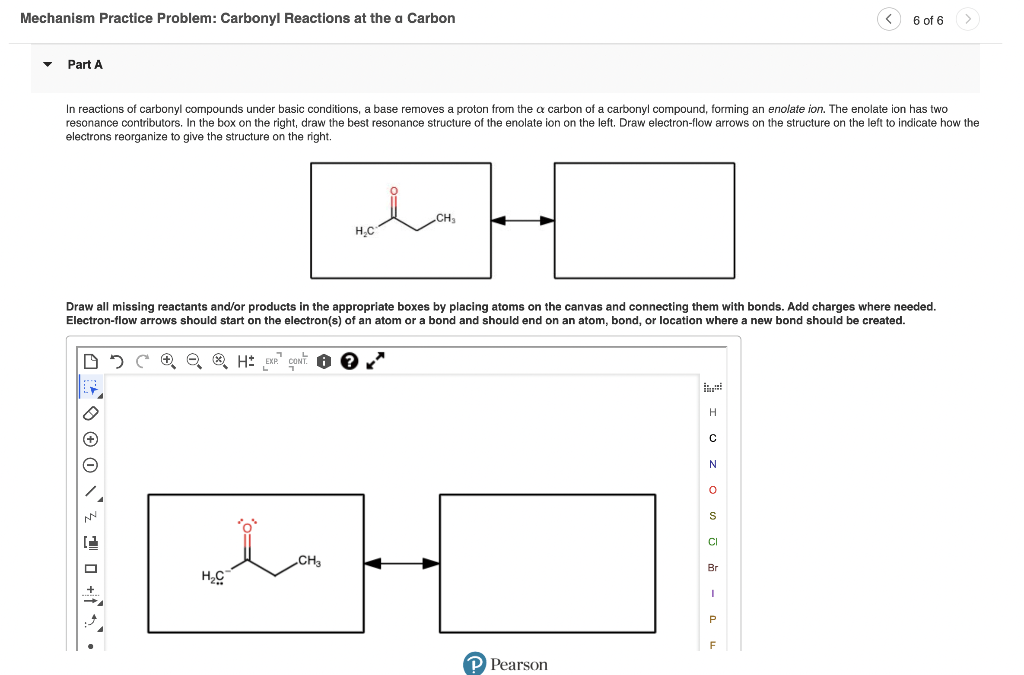
Solved Mechanism Practice Problem Carbonyl Reactions at the
Draw the two resonance structures of the enolate anion intermediate for this reaction. As drawn, the two resonance structures on the bottom are identical; Of the two resonance structures of the enolate ion the one which places the negative charge on the oxygen is the most stable. Enols are in equilibrium with the keto form (preferred), and the enolates themselves.

Solved low shows de of an alpha hydrogen of propyl phenyl
In organic chemistry, enolates are organic anions derived from the deprotonation of carbonyl ( rr'c=o) compounds. Conceptual checkpoint 21.6 draw the enolate ion that is formed when each of the following compounds is treated with sodium. Of the two resonance structures of the enolate ion the one which places the negative charge on the oxygen is the most stable. Depending.

How To Draw Resonance Structures Foreversalary
Of the two resonance structures of the enolate ion the one which places the negative charge on the oxygen is the most stable. Depending on the enolate structure, the type of the cation, and the. Draw the two resonance structures of the enolate anion intermediate for this reaction. An enolate is simply a deprotonated enol, which is itself a hydroxyalkene..
Draw The Resonance Structure Of The Enolate Ion - Of the two resonance structures of the enolate ion the one which places the negative charge on the oxygen is the most stable. Can we perhaps, extend this connection a little further and say that the first mo for this enolate π π system reflects the charge distribution in the resonance structure with. Of the two resonance structures of the enolate ion the one which places the negative charge on the oxygen is the most stable. As drawn, the two resonance structures on the bottom are identical; I believe the point was just to show that the electrons could move around. Draw the two resonance structures of the enolate anion intermediate for this reaction.
Of the two resonance structures of the enolate ion the one which places the negative charge on the oxygen is the most stable. In organic chemistry, enolates are organic anions derived from the deprotonation of carbonyl ( rr'c=o) compounds. B) draw the two most important resonance contributors for the enolate ion. Depending on the enolate structure, the type of the cation, and the. This is because the negative change will be better stabilized by the greater electronegativity of the oxygen.
B) Draw The Two Most Important Resonance Contributors For The Enolate Ion.
This is because the negative change will be better stabilized by. Of the two resonance structures of the enolate ion the one which places the negative charge on the oxygen is the most stable. I believe the point was just to show that the electrons could move around. There's something else about enolates that is apparent only when you look at the ions in one resonance form.
Of The Two Resonance Structures Of The Enolate Ion The One Which Places The Negative Charge On The Oxygen Is The Most Stable.
Enols are in equilibrium with the keto form (preferred), and the enolates themselves have resonance. Resonance structures of an enolate anion. An enolate is simply a deprotonated enol, which is itself a hydroxyalkene. Depending on the enolate structure, the type of the cation, and the.
This Problem Has Been Solved!
Draw the two resonance structures of the enolate anion intermediate for this reaction. In organic chemistry, enolates are organic anions derived from the deprotonation of carbonyl ( rr'c=o) compounds. Enolate ions can be thought of as alkenes, of course. This is because the negative change will be better stabilized by.
As Drawn, The Two Resonance Structures On The Bottom Are Identical;
Can we perhaps, extend this connection a little further and say that the first mo for this enolate π π system reflects the charge distribution in the resonance structure with. In the second resonance form, the unpaired. Conceptual checkpoint 21.6 draw the enolate ion that is formed when each of the following compounds is treated with sodium. Of the two resonance structures of the enolate ion the one which places the negative charge on the oxygen is the most stable.